
Your Cart is Empty

Free shipping on Orders $79+
Free shipping on Orders $79+

December 30, 2025 4 min read
If you've been paying attention to Hollywood transformations over the past year, you've probably noticed something remarkable: celebrities are shedding significant amounts of weight seemingly overnight. Jonah Hill's dramatic transformation, Kelly Osbourne's stunning weight loss journey, and the speculation around Adele's incredible change have all sparked the same conversation. Could Ozempic be behind these results?
What started as a diabetes medication has become one of the most talked-about weight loss solutions in recent memory. And it's not just celebrities anymore. Your neighbor, your coworker, maybe even your family members are asking their doctors about semaglutide injections. But before you jump on the bandwagon, let's take a closer look at what these medications actually do, what they cost (both financially and physically), and whether there might be a more natural path to similar results.
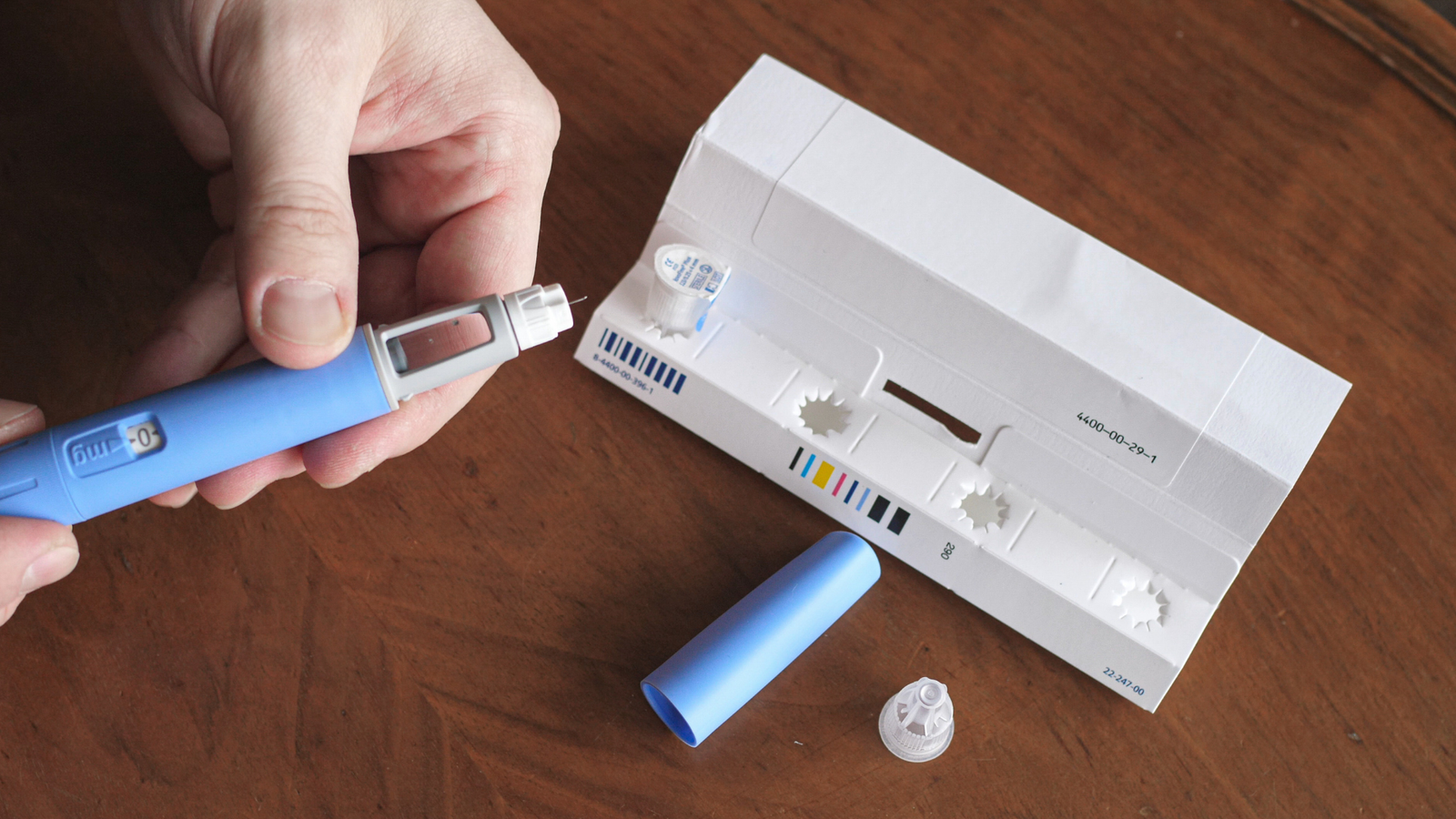
Ozempic (semaglutide) belongs to a class of medications called GLP-1 receptor agonists. Here's what happens when you take it:
The medication mimics a hormone your body naturally produces called glucagon-like peptide-1 (GLP-1). This hormone does several important things: it signals your brain that you're full, slows down how quickly food leaves your stomach, and helps regulate blood sugar levels. Essentially, Ozempic makes you feel satisfied with less food and keeps you feeling full longer.
The result? Many people naturally eat less without the constant battle against hunger. Clinical trials have shown average weight loss of 15-20% of body weight over 68 weeks, which explains why the results can be so dramatic.
Here's where things get less glamorous. While Ozempic can be effective, it comes with a significant list of potential side effects that deserve serious consideration:
Common side effects include nausea, vomiting, diarrhea, constipation, and stomach pain. Many users report these symptoms are most intense when starting the medication or increasing dosage. Some people adapt over time; others never do.
More serious concerns include potential risks of pancreatitis, gallbladder problems, and kidney issues. There's also emerging research about potential thyroid tumors (though primarily seen in animal studies), and many users experience what's being called "Ozempic face" (rapid weight loss that leads to sagging skin and a gaunt appearance.)
Perhaps most importantly, when people stop taking Ozempic, the weight typically comes back. Your body doesn't learn new habits; the medication simply overrides your natural hunger signals. Stop the medication, and those signals return with a vengeance.
Let's talk numbers. Without insurance coverage, Ozempic costs around $900-$1,500 per month. Wegovy, the version specifically approved for weight loss, runs similarly expensive. While some insurance plans cover these medications for diabetes, coverage for weight loss is far less common.
This means you're looking at potentially $10,000-$18,000 per year for as long as you want to maintain the weight loss. For most people, that's not sustainable... and remember, stopping the medication typically means regaining the weight.
There's also the time cost: regular injections, doctor's appointments for monitoring, and managing side effects all require ongoing commitment.
Here's something interesting that often gets overlooked in the Ozempic conversation: dietary fiber creates many of the same effects naturally, without the side effects or price tag.
Fiber, particularly soluble fiber, slows gastric emptying, just like Ozempic. It increases feelings of fullness and satisfaction. It helps regulate blood sugar levels. It even influences the same gut hormones, including GLP-1, that Ozempic mimics artificially.
Studies have shown that increasing fiber intake leads to reduced calorie consumption, better appetite control, and sustainable weight loss. The difference? Fiber also brings benefits Ozempic can't match: improved gut health, better digestion, reduced cholesterol, and a lower risk of chronic diseases.
The challenge with fiber is that most people don't get nearly enough. The average American consumes about 15 grams daily, while recommendations suggest 25-35 grams. Increasing fiber intake dramatically can be difficult through whole foods alone, which is where strategic supplementation comes in.
This is where our Pineapple Chia Cleanse enters the conversation, not as an identical replacement for Ozempic, but as a natural tool that works through similar pathways to support your weight management goals.
Just two servings contain about 10 grams of fiber, which has a unique ability to absorb up to 12 times its weight in water, creating a gel-like substance in your stomach. This expansion creates physical fullness and slows gastric emptying, mimicking one of Ozempic's primary mechanisms.
When taken consistently over 3-6 months, many people experience:
The pineapple component adds digestive enzymes that support nutrient absorption and gut health, creating a comprehensive approach to wellness that goes beyond simple appetite suppression.
Ozempic and similar weight loss injections can produce dramatic results, but they come with significant costs, potential side effects, and the reality that results often disappear when you stop taking them. For some people dealing with obesity and related health conditions, they may be medically necessary and worth considering with their doctor.
But for many of us, a natural approach that supports our body's own satiety mechanisms, rather than overriding them artificially, may be the smarter long-term choice. Building sustainable habits around fiber intake, blood sugar stability, and genuine fullness signals creates lasting change rather than temporary results.
Pineapple Chia Cleanse won't give you overnight celebrity transformations, but when used consistently as part of a healthy lifestyle, it can help you achieve the same core benefit: feeling satisfied with less food, naturally.
And unlike Ozempic, you're not just masking hunger, you're supporting your body's natural processes and building the foundation for lifelong wellness.